Author: Emily Carter-Wells

  • 7 Best Baby Sleep Associations That Help

    7 Best Baby Sleep Associations That Help

    If bedtime only works when you are pacing the hallway, bouncing on an exercise ball, or replacing a pacifier every 40 minutes, you do not have a baby who is “bad at sleep.” You have a baby who has learned a very specific way to fall asleep. The best baby sleep associations are the ones your baby can rely on without needing you to recreate them all night.

    That distinction matters more than most exhausted parents realize. A sleep association is simply the condition your baby links with falling asleep. Some associations are helpful because they are consistent, safe, and easy to maintain. Others work fast at 7:30 p.m. and then destroy your night at 1:12 a.m. when your baby wakes, looks for the same setup, and cannot get back to sleep without it.

    What makes the best baby sleep associations?

    The best sleep associations do one job well – they tell your baby’s nervous system, “Sleep is happening now,” without making you the only tool that works.

    A strong sleep association is predictable, repeatable, and age-appropriate. It should calm your baby without creating a dependency that leaves you trapped. That does not mean every parent must avoid rocking or feeding completely. It means you need to know the trade-off. If a method requires your body, your movement, or your constant intervention every time your baby stirs, it may soothe in the short term but cost you sleep later.

    Babies wake between sleep cycles. That is normal. The issue is not waking. The issue is whether your baby can settle with the same cues still present in the sleep space.

    The 7 best baby sleep associations

    1. White noise

    White noise is one of the best baby sleep associations because it stays on, sounds the same all night, and helps block sudden environmental noise. Dogs bark. Floors creak. Older siblings forget how to whisper. White noise smooths those disruptions so your baby is less likely to fully wake.

    It also works because it is not dependent on your physical presence. Once it is set correctly and used consistently, it becomes a reliable cue that sleep has started. For newborns especially, the steady sound can feel familiar and regulating.

    2. Darkness

    A dark room is not fancy, but it is powerful. Babies are sensitive to light, and even small amounts of it can interfere with melatonin production and signal that it is time to be alert. Darkness helps the brain separate night sleep from daytime activity.

    This becomes even more important as babies get older and more aware of their surroundings. A room with shifting shadows, hallway light, or bright early morning sun can sabotage sleep without you realizing it.

    3. A consistent sleep sack

    A sleep sack can become an excellent association because it is simple and physical. When your baby is zipped into it before every sleep period, the body starts connecting that sensation with winding down. It is a cue your baby can feel, not just hear.

    The benefit here is consistency. Unlike rocking or nursing, the sleep sack remains present after your baby falls asleep. That makes it far more sustainable for overnight sleep.

    4. A short, repeated bedtime routine

    The routine itself becomes a sleep association when you keep it tight and predictable. That might look like diaper, pajamas, feed, brief cuddle, white noise, crib. It does not need to be long. It needs to happen in the same order often enough that your baby starts anticipating sleep before you even reach the last step.

    Parents often overcomplicate this. You do not need a 14-step ritual that takes an hour and collapses the second life gets busy. A five- to ten-minute sequence used consistently beats an elaborate routine used twice a week.

    5. Gentle touch before sleep, not during every waking

    A hand on the chest, a calm stroke on the forehead, or a brief cuddle before placing your baby down can be a healthy association when it is used as a cue, not a nonstop requirement. This is where many families get stuck. The touch is helpful at bedtime, but then it turns into a demand for constant contact every time the baby stirs.

    Used strategically, touch can bridge the gap between full parental intervention and independent settling. Used endlessly, it can become another sleep crutch. The difference is how dependent your baby becomes on having that exact input continue until fully asleep.

    6. A pacifier, with conditions

    A pacifier sits in the middle. For some babies, it is one of the best baby sleep associations because sucking is deeply calming and can reduce fussing fast. For others, it becomes a problem because they cannot replace it themselves and need you to do it repeatedly overnight.

    So is it good or bad? It depends on your baby’s age and skills. If your baby can independently find and replace the pacifier, it can be a workable sleep cue. If not, you may be signing up for multiple wakeups that have nothing to do with hunger or discomfort.

    7. The crib as the final place of sleep

    This one is not glamorous, but it is often the most important. If your baby always falls asleep in one place and wakes somewhere else, that mismatch can trigger confusion and protest. Falling asleep in the crib helps your baby link that environment with sleep itself.

    This does not mean you can never contact nap or rescue a rough day. Real life is messier than perfect sleep advice. But if your goal is longer stretches at night, the crib needs to become a familiar, safe, expected place to drift off.

    Sleep associations that work fast but backfire later

    Here is the hard truth: many soothing methods are effective because they are intense, not because they are sustainable.

    Feeding fully to sleep, rocking until limp, bouncing for long stretches, or driving around the block can absolutely get a baby asleep. The problem comes later when that exact condition is missing during a normal nighttime waking. Your baby is not being manipulative. Your baby is looking for the same path back to sleep.

    That is why exhausted parents often say, “Nothing works anymore.” Usually, something does work. It is just too parent-dependent to survive the whole night.

    How to choose the best baby sleep associations for your baby

    Start with one question: can this association stay consistent when my baby wakes at 2 a.m.?

    If the answer is yes, it is probably a strong candidate. White noise can still be there. Darkness can still be there. A sleep sack can still be there. The crib is still the crib. Those are stable cues.

    If the answer is no, pause before building your whole routine around it. That does not mean you must eliminate every parent-led soothing method immediately. It means you should be careful about making it the only route to sleep.

    Age matters here too. A newborn may need more support, and that is normal. Very young babies are not mini adults. But even in the newborn stage, you can start layering in better associations so your baby does not rely on only one high-effort method.

    How to change a sleep association without making nights worse

    Do not rip away every comfort cue at once. That is where desperate parents often create more chaos.

    Instead, keep the strong associations and reduce the one causing the problem. If your baby only falls asleep while bouncing, keep the room dark, keep the white noise on, keep the routine the same, and slowly reduce the bouncing over several nights. The familiar cues stay in place while the unsustainable one fades.

    This is faster and cleaner than changing everything at once. Your baby still recognizes bedtime. You are just changing the part that is exhausting you.

    If your baby is overtired, hungry, sick, or in a major developmental leap, expect progress to be less linear. That does not mean your approach is failing. It means sleep is influenced by biology, not just routine.

    When sleep associations are not the whole problem

    Not every night waking is caused by a sleep association. Hunger, reflux, illness, teething, schedule issues, and overtiredness can all disrupt sleep. If you fix the bedtime routine but keep stretching wake windows too long, nights may still feel messy.

    That is why strong sleep results usually come from a full system, not one isolated trick. Your baby’s sleep environment, timing, feeding pattern, and settling method all work together. If one piece is off, the rest has to work harder.

    For overwhelmed parents who want a gentler, psychology-backed plan instead of random tips, that is exactly why structured sleep methods are more effective than guessing night by night.

    The goal is not perfection. The goal is to build sleep cues that calm your baby, protect your energy, and keep working after bedtime ends. Choose associations your baby can actually use through the night, and you stop fighting sleep with brute force. You start teaching it.

  • ADHD Behavior Toolkit That Calms Chaos

    ADHD Behavior Toolkit That Calms Chaos

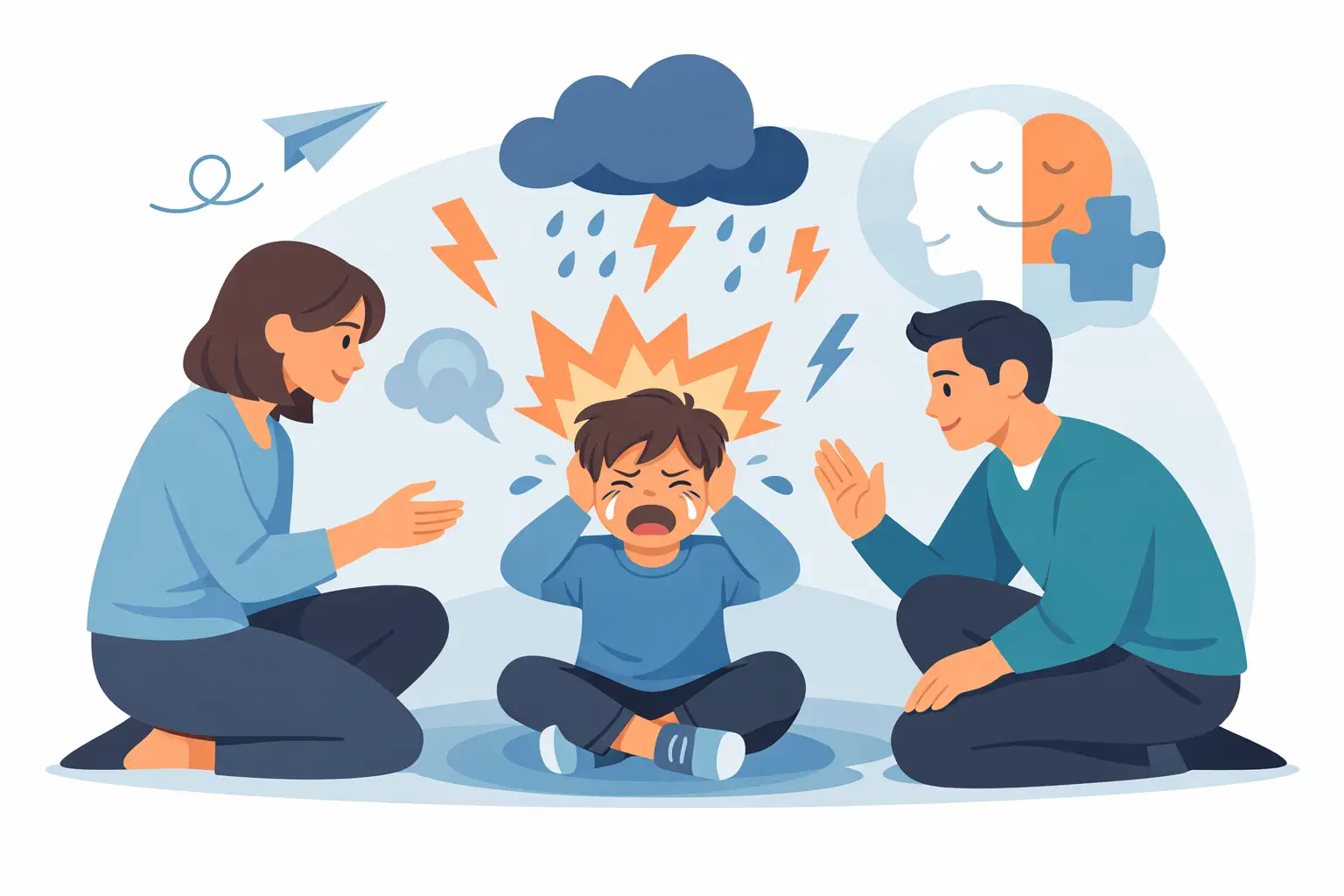
    By 7:12 a.m., your child is already yelling because the blue cup is dirty, one shoe feels wrong, and you asked them to turn off the TV. You are not dealing with “bad behavior.” You are dealing with an overloaded nervous system, weak transition tolerance, and a child who needs structure faster than they need another lecture. That is exactly where an adhd behavior toolkit helps.

    The goal is not to control every move your child makes. The goal is to stop the daily chaos, reduce power struggles, and give yourself a repeatable system that works even when you are tired, late, and out of patience. A strong toolkit is practical, fast, and rooted in behavior psychology – not wishful thinking.

    What an ADHD behavior toolkit should actually do

    A real toolkit does more than hand you coping tips. It should help you predict blowups before they start, interrupt meltdowns without making them worse, and build better behavior over time. If the strategy only works when everyone is calm and cooperative, it will fail in a real house with real stress.

    Children with ADHD often struggle with impulse control, transitions, frustration tolerance, emotional regulation, and delayed gratification. That means you cannot rely on repeated reminders, long explanations, or punishments delivered after the moment has passed. By then, their brain has already moved on – or gone into full fight mode.

    An effective toolkit gives you three things. First, prevention strategies that lower the number of blowups. Second, in-the-moment scripts that keep you from escalating the situation. Third, simple reinforcement systems that teach the behaviors you want to see more often.

    The 5-part ADHD behavior toolkit parents need first

    When parents are overwhelmed, they usually collect random tricks. One chart from social media, one reward idea from school, one consequence from a friend. That patchwork approach creates inconsistency, and inconsistency fuels more testing, more arguing, and more confusion.

    Start with five core tools that work together.

    1. A trigger map

    Behavior looks sudden, but it usually is not. Most ADHD blowups have a pattern. Common triggers include hunger, rushed mornings, screen transitions, sibling conflict, overstimulation, unclear instructions, and demands that come without warning.

    For three days, track what happened right before the problem behavior. Not every detail – just the essentials. What was the demand? What time was it? Was your child tired, hungry, or already frustrated? Patterns show up quickly when you stop guessing.

    This is where change starts. If every meltdown happens when screens end, your first job is not to punish the meltdown. Your first job is to fix the transition.

    2. A short command script

    Many parents use too many words. That is understandable, especially when you are trying to reason with your child. But ADHD brains often lose the message halfway through the explanation.

    Use short, direct commands with one step at a time. Say, “Shoes on now,” instead of, “How many times do I have to ask you to get ready because we are late and I need you to listen?” The first gives the brain a clear target. The second creates noise.

    Then pause. Do not stack three more instructions on top. Give the first one time to land.

    3. A transition routine

    Transitions are a high-risk zone. Moving from preferred to non-preferred tasks is especially hard for kids with ADHD because it requires shifting attention, tolerating frustration, and letting go of something rewarding.

    A reliable transition routine lowers resistance. Give a warning, name the next step, and use the same sequence every time. For example: “Five minutes left. Then TV off, bathroom, shoes.” Consistency matters more than creativity here.

    If your child melts down at every switch, do not keep changing the system. Tighten it. Same wording. Same order. Same expectation.

    4. A calm-down plan that starts with you

    When your child is dysregulated, your tone becomes part of the environment. If you get louder, faster, or more threatening, the meltdown often grows. That does not mean you stay passive. It means you stay controlled.

    Your calm-down plan should be simple enough to use under pressure. Lower your voice. Reduce your words. Move your body less. Block unsafe behavior if needed, but stop trying to teach in the middle of the storm. Teaching happens after regulation, not during it.

    Many parents make the mistake of demanding immediate accountability in the peak of a meltdown. It feels logical. It rarely works. A dysregulated child cannot process correction well. Get calm first. Repair and reteach second.

    5. A fast reward loop

    ADHD brains respond strongly to immediate feedback. That is why delayed consequences often flop and immediate rewards work better than parents expect. You are not bribing your child. You are increasing the odds that the right behavior happens again.

    Catch the behavior fast. Praise specifically. Add a small reward when needed. “You turned off the tablet the first time. That was strong listening.” Immediate reinforcement beats vague approval two hours later.

    If you use a reward system, keep it simple. One or two target behaviors. Fast wins. Clear rules. Parents often overload charts with too many goals and then abandon them by day four.

    How to use your ADHD behavior toolkit in real moments

    A toolkit only matters if it holds up under pressure. Here is what that looks like when things go sideways.

    Your child refuses to get dressed. Instead of arguing, use one command, then a choice within your limit: “Shirt on now. Red or black?” This works because choice reduces resistance without giving away control.

    Your child explodes when screen time ends. Do not announce it once from another room and expect success. Give a warning, move close, repeat the transition sequence, and follow through immediately. If needed, keep the next activity ready before the screen ends so there is somewhere for their attention to go.

    Your child starts yelling after a sibling conflict. Separate first. Investigate later. If you try to sort out fairness in the heat of the moment, you usually end up with two dysregulated kids instead of one. Calm the environment, then return to problem-solving.

    This is where many parents finally get relief. They stop reacting emotionally to every flare-up and start running a system.

    What makes an ADHD behavior toolkit fail

    The biggest failure point is inconsistency. Not because you are lazy. Because you are exhausted. When a strategy takes too long, feels too complicated, or requires perfect follow-through, most families cannot sustain it.

    Another failure point is expecting behavior change without changing the environment. If your child melts down every afternoon because they are hungry, overstimulated, and coming off screens, no sticker chart on earth will fix that by itself.

    There is also the discipline trap. Parents are often told to “be firmer,” but firmness without strategy becomes a constant battle. Consequences have a place, but they work best when expectations are clear, timing is immediate, and the child is calm enough to connect action and outcome. If not, consequences turn into background noise.

    When you need more than pieced-together advice

    If your days feel like one long sequence of reminders, corrections, negotiations, and explosions, you do not need more parenting content. You need a framework you can use tonight.

    That is why a structured system works better than random tips. A proven adhd behavior toolkit gives you scripts, sequences, and behavior steps you can repeat until calm becomes more predictable. For parents at the breaking point, predictability is not a luxury. It is the difference between surviving the day and leading it.

    Emily Carter-Wells focuses on psychology-backed blueprints for exactly this kind of family pressure – when you need fast relief, not another month of theory.

    Build calm before you chase perfect behavior

    Your child does not need a perfect parent. They need a parent with a plan. Start by reducing triggers, tightening your language, making transitions predictable, and rewarding progress quickly. Then give it a few days of consistent use before deciding it is not working.

    Some children respond fast. Others need more repetition. That does not mean the system is failing. It means the behavior has been rehearsed for a long time, and now you are training something stronger.

    The house gets calmer one repeated response at a time. Start there tonight.

  • How to Stop Bedtime Battles Fast

    How to Stop Bedtime Battles Fast

    At 8:17 p.m., your child suddenly needs water, a different blanket, one more story, the blue pajamas, and a full legal argument about why bedtime is unfair. That nightly chaos is exhausting, but it is also highly predictable. If you want to know how to stop bedtime battles, the answer is not more negotiating. It is a tighter system, clearer boundaries, and a routine your child cannot keep dragging off course.

    Bedtime resistance usually is not about sleep alone. It is about transition, control, overstimulation, and inconsistent follow-through. When parents treat it like a one-off attitude problem, they often get trapped in the same cycle: warning, bargaining, frustration, threat, guilt, repeat. The faster path is to fix the pattern.

    Why bedtime battles keep happening

    Most bedtime battles are reinforced by accident. A child protests, stalls, or escalates, and the routine expands. They get more attention, more time, more choices, or one more chance. From a behavioral standpoint, that makes resistance useful, so it continues.

    This does not mean your child is manipulative in some sinister way. It means children repeat what works. If whining gets ten extra minutes with you, whining becomes part of the bedtime routine. If getting out of bed leads to another cuddle, another explanation, or another lecture, getting out of bed becomes a strategy.

    The other issue is timing. Many families start bedtime after the child is already overtired, wired, or emotionally overloaded. An exhausted child does not suddenly become cooperative because the clock says 8:00. They become less flexible, more reactive, and much harder to settle.

    There is also a big difference between a child who cannot settle and a child who will not settle. Anxiety, sensory sensitivity, ADHD, and developmental stage can all affect bedtime behavior. That is why the right plan is structured, but not rigid. You need a system strong enough to reduce nonsense and flexible enough to handle a real need.

    How to stop bedtime battles with a tighter routine

    If your current routine takes 45 minutes but somehow still ends in conflict, it is probably too loose. The goal is not a Pinterest-perfect evening. The goal is predictability.

    Start by making bedtime happen in the same order every night. Keep it simple: bath or wash up, pajamas, bathroom, two short books, lights out. That sequence should not change based on mood, guilt, or how tired you are. Predictability lowers resistance because your child stops expecting a fresh negotiation every night.

    Just as important, begin earlier than you think. If your child melts down every night at bedtime, they may already be overtired by the time you start. Moving the routine up by even 15 to 30 minutes can change the entire tone of the evening.

    Your words matter too. Stop asking bedtime questions when the decision is already made. “Are you ready for bed?” invites “no.” Stronger language sounds like this: “It is bedtime. Pajamas first, then two books.” That is not harsh. It is clear. Children settle faster when the adult sounds like the adult.

    The 3-part bedtime blueprint

    A fast, effective bedtime plan usually has three parts: connection, structure, and follow-through.

    Connection comes first because children resist less when they feel seen before the limit is enforced. Spend five focused minutes with no multitasking, no phone, and no correcting. Read, cuddle, talk quietly, or do a predictable goodnight ritual. This reduces the attention-seeking that often shows up as stalling.

    Structure is the non-negotiable order of events. Keep the same steps, the same timing, and the same expectations. Visual checklists work especially well for younger kids because they externalize the routine. Instead of you repeating yourself twelve times, the routine becomes the guide.

    Follow-through is where most parents lose ground. If lights out is lights out on Monday, but on Tuesday it turns into three extra stories because your child cried, your child learns to test harder. Consistency is what makes the routine believable.

    The mistakes that make bedtime worse

    Too much talking is a major one. Long explanations feel reasonable to adults, but they often fuel the battle. Once a child is in protest mode, lectures do not calm them. They give them more material to push against.

    Another mistake is offering too many choices. Choice can be useful, but only in small, controlled ways. “Blue pajamas or green pajamas?” works. “What do you want to do before bed?” is an open door to delay.

    Then there is the trap of emotional chasing. If your child gets out of bed and you respond with rising frustration, raised voices, or repeated threats, bedtime becomes emotionally charged. Some children find that activating, not calming. Your strongest move is calm, brief repetition. Walk them back. Restate the limit. Leave. Repeat as needed.

    Screens before bed also deserve a direct callout. If your child is using a tablet, phone, or TV right up until bedtime, do not be surprised when their brain refuses to shift gears. Cut screens at least an hour before bed and expect resistance for a few nights if that is a new rule. Short-term pushback is not a sign the boundary is wrong.

    What to do when your child stalls, cries, or keeps getting up

    This is where parents need a script, not improvisation.

    If your child stalls, do not solve every new request in real time. Build the common requests into the routine before lights out. Water is next to the bed. Bathroom is done. Stuffed animal is chosen. Once the routine ends, the answer becomes short and steady: “Bedtime is finished. I’ll see you in the morning.”

    If your child cries, respond to the feeling without changing the limit. “I know you’re upset. It’s still bedtime.” That sentence works because it combines empathy with authority. Many parents do one or the other. Effective bedtime leadership requires both.

    If your child keeps getting out of bed, stop debating. Quietly return them with as little energy as possible. No lectures. No big reaction. No extra reward. Just consistent replacement: back to bed, every time. This can be tedious for a few nights, but it is a proven way to remove the payoff.

    If fear is part of the problem, handle that separately from the battle. A night-light, comfort item, brief room check, or short reassurance routine can help. What you want to avoid is turning fear into an endless ceremony that stretches bedtime by another half hour.

    How to stop bedtime battles when your child has ADHD or big emotions

    Some children need more support with transitions. If your child has ADHD, sensory sensitivity, or intense emotional reactions, bedtime may need more external structure and less verbal correction.

    Use visual cues, not just spoken reminders. Keep the environment low-stimulation. Reduce noise, dim lights, and avoid roughhousing close to bedtime, even if it seems like a good way to tire them out. For many kids, it backfires.

    You may also need to break the routine into smaller steps with immediate reinforcement for cooperation. That does not mean bribing your child through bedtime forever. It means building momentum while a new pattern is taking hold. Praise specific behaviors: “You got pajamas on right away. That was strong listening.”

    Children with bigger emotional responses often need parents to become less reactive, not more persuasive. Calm authority is the intervention. The moment you get pulled into proving, convincing, or threatening, you have left the plan.

    How long does it take to see improvement?

    If you apply a clear bedtime system consistently, many families see noticeable improvement within 3 to 7 days. That does not mean perfection by night three. It means the pattern starts shifting because the payoff for resistance is fading and the routine is becoming more predictable.

    The hardest night is often the first or second night after you tighten boundaries. That is normal. Children push hardest when they sense the old loopholes are closing. Do not mistake that pushback for failure. It is often a sign the system is finally changing.

    If there is no improvement after a solid week of consistency, step back and check the basics. Is bedtime too late? Is the routine too long? Are both caregivers enforcing the same standard? Is your child dealing with anxiety, medical sleep issues, or developmental factors that need a different approach? Fast change is possible, but only when the plan matches the problem.

    The goal is not to control your child into sleep. The goal is to create a bedtime structure so clear and steady that resistance stops working. Children do better when the boundaries are calm, visible, and reliable. And so do parents. Tonight does not need another debate. It needs a plan you can hold.

  • Why Won’t My Newborn Settle at Night?

    Why Won’t My Newborn Settle at Night?

    It’s 2:13 a.m. Your baby is fed, changed, held, rocked, swaddled, and somehow still furious about being alive in the bassinet. If you’re asking, why wont my newborn settle, you are not missing some magical mothering skill. You are usually dealing with a very small human whose nervous system is immature, whose sleep is disorganized, and whose needs can stack fast.

    That matters, because the fastest way to calm the situation is not trying ten random tricks in a panic. It is identifying the most likely reason your newborn is resisting sleep, then using a simple sequence that lowers stimulation, meets the right need, and gives their body a real chance to settle.

    Why wont my newborn settle? Start with the real causes

    A newborn who will not settle is not being difficult. They are communicating with the only tools they have. Most of the time, the problem falls into one of a few predictable buckets.

    The first is overtiredness. This surprises parents because adults sleep better when very tired, but newborns often do the opposite. Once they stay awake too long, stress hormones rise, their body gets more tense, and falling asleep becomes harder. In the early weeks, some babies can only comfortably handle short awake windows before they need help winding down.

    The second is underfeeding or inefficient feeding. A baby may seem to have eaten, then wake again because they were sleepy at the breast or bottle and did not take a full feed. Cluster feeding can also make evenings feel relentless. That does not automatically mean anything is wrong. It often means your baby is trying to tank up, especially during growth spurts.

    The third is discomfort. A wet diaper, trapped gas, reflux, being too hot, being too cold, a scratchy sleeper, nasal congestion, or needing to burp can all keep a newborn from settling. Tiny discomforts feel big when a baby is already tired.

    Then there is overstimulation. Newborns do not need much to get flooded. Bright lights, too much talking, being passed around, television noise, and a late bedtime routine can all keep their system activated. Parents often assume more soothing input is better. Often, less works faster.

    And finally, some newborns simply need more support to transition between sleep cycles. They startle, flail, grunt, and wake themselves often because newborn sleep is active and immature. That is normal, but it can still be exhausting.

    The first 5 things to check when your newborn won’t settle

    When your baby is crying and you are running on fumes, you need a decision framework, not vague advice. Check these five areas in order.

    First, ask when the last full feeding actually happened. Not just comfort sucking or a short snack, but a solid feed. If it has been a while, hunger may be the driver.

    Second, look at wake time. If your baby has been awake longer than they can handle, stop trying to entertain them into calm. Shift straight into a low-stimulation wind-down.

    Third, check the physical basics. Diaper, temperature, burping, clothing fit, room temperature, and signs of gas all matter more than parents think.

    Fourth, reduce the environment. Dim lights. Lower your voice. Turn off background noise that is not intentionally calming. Newborns settle better when the room tells their body, sleep is next.

    Fifth, notice the crying pattern. A rhythmic, escalating cry after feeds may suggest gas or reflux discomfort. Rooting and hand-to-mouth cues may point back to hunger. A frantic, jerky, red-faced meltdown often signals overtiredness.

    The Newborn Settle Reset

    When your brain is fried, use a consistent sequence. This is where parents regain control fastest. Instead of guessing, run the same calming pattern every time.

    Step 1: Lower stimulation immediately

    Go to a dark or dim room. Hold your baby close. Stop switching positions every ten seconds. Fast changes often increase distress instead of reducing it. Calm starts with fewer inputs, not more.

    Step 2: Feed with intention

    If hunger is even remotely possible, offer a full, focused feed. Keep the environment quiet so your baby does not fall asleep halfway through and wake 20 minutes later still hungry. If your baby tends to doze off early, use gentle strategies to keep them actively feeding long enough to take what they need.

    Step 3: Burp and relieve pressure

    Some babies settle the moment trapped air comes up. Others need time upright after feeding, especially in the evening. If your baby arches, grunts, squirms, or cries shortly after eating, discomfort may be keeping them from dropping off.

    Step 4: Use one calming method long enough to work

    Many parents accidentally sabotage settling by changing tactics too fast. They rock for one minute, then bounce, then swaddle, then feed again, then walk the hall. Pick one approach and stay consistent for several minutes. Rhythmic movement, close body contact, and steady sound are often enough when given time.

    Step 5: Put down drowsy or fully asleep depending on the baby

    This is where real-life parenting beats rigid rules. Some newborns transfer best when very drowsy. Others need to be fully asleep before the bassinet. In the first weeks, the goal is not perfect independence. The goal is sleep. Use the strategy that works, then build from there.

    Why evenings are often the hardest

    If your baby seems impossible from 6 p.m. to midnight, you are not imagining it. Evening fussiness is common in newborns. It can be driven by overtiredness, cluster feeding, digestive discomfort, or the simple fact that babies often become less organized by the end of the day.

    This is why daytime sleep and evening rhythm matter. A baby who takes scattered, poor naps all day often hits the evening already overloaded. Parents then try to stretch bedtime because the baby “doesn’t seem tired,” but the opposite is usually true. A newborn who looks wired late at night is often deeply tired.

    Protecting the evening means reducing stimulation before the meltdown starts. Keep the house calmer. Don’t stack baths, visitors, bright lights, and long wake times into the same stretch. The most effective newborn sleep support is often prevention, not rescue.

    What not to do when your newborn won’t settle

    Do not assume every cry means your baby is developing a bad habit. Newborns are not manipulating you. They need regulation, not discipline.

    Do not chase perfection with a rigid script. Babies vary. One newborn settles beautifully with swaddling and white noise. Another hates the swaddle and calms only upright on your chest. Evidence-based parenting still requires observation.

    And do not ignore your own escalation. Babies read tension fast. If you are breathing shallowly, moving frantically, and mentally spiraling, your baby often becomes harder to soothe. Put your feet on the floor. Drop your shoulders. Slow your movements. Your regulation helps create theirs.

    When “why wont my newborn settle” may need medical input

    Most settling problems are normal newborn behavior plus exhaustion. Still, some situations deserve a call to your pediatrician.

    Pay attention if your baby has a fever, poor feeding, fewer wet diapers, unusual lethargy, persistent vomiting, breathing concerns, a weak cry, or inconsolable crying that feels different from their usual pattern. Also get support if pain seems to be involved, reflux symptoms are intense, or weight gain and feeding are becoming a struggle.

    Parents are often told to wait everything out. Sometimes that is right. Sometimes a quick medical check creates major relief. High-certainty parenting includes knowing when to get another set of eyes on the problem.

    The goal is not a perfect sleeper. It’s a workable system.

    In the newborn stage, fast improvement usually comes from better pattern recognition, not from forcing independence too early. You do not need twenty conflicting tips. You need a repeatable method that tells you what to check, what to do next, and when to stop second-guessing yourself.

    If your newborn won’t settle, narrow the cause, reduce the noise, and respond in the same effective order each time. That is how you stop the chaos. That is how exhausted parents start getting traction. And that is how confidence returns, one calmer night at a time.

  • Gentle Baby Sleep Guide for Faster Nights

    Gentle Baby Sleep Guide for Faster Nights

    2:13 a.m. again. Your baby is awake, you are running on fumes, and every piece of advice seems to demand a choice you do not want to make – either push through tears or accept broken sleep forever. A gentle baby sleep guide gives you a third option. You can improve sleep with structure, predictability, and evidence-based habits that lower stress for both you and your baby.

    This is not about waiting for sleep to magically sort itself out. It is about taking control of the variables you can control, then using calm, consistent responses to teach sleep without turning bedtime into a battle. Gentle does not mean passive. It means strategic.

    What a gentle baby sleep guide actually means

    A lot of parents hear the word gentle and assume it means no boundaries, no plan, and no progress. That is usually why they stay stuck. In practice, a gentle baby sleep guide is a framework that reduces overwhelm, protects attachment, and still moves your household toward better nights.

    The core idea is simple. Your baby sleeps best when biology and behavior are working together. That means age-appropriate wake windows, a repeatable bedtime rhythm, a sleep environment that supports melatonin production, and a response plan that is calm instead of reactive.

    What makes this method work is consistency. Not intensity. You do not need to overhaul everything in one night, but you do need to stop changing the rules every evening based on exhaustion.

    The 4-part sleep reset that gets results

    If you want visible improvement, stop chasing random tips. Use a system. A practical gentle sleep reset usually comes down to four parts: timing, environment, routine, and response.

    1. Fix timing before you judge the method

    An overtired baby often looks like a baby who just is not ready for sleep. That is the trap. When cortisol rises, babies can get wired, fussy, clingy, and harder to settle.

    Start by looking at wake windows and total daytime sleep. A newborn has very different sleep pressure than a 6-month-old. If naps run too long, bedtime may drift too late. If wake windows stretch too far, bedtime can collapse into screaming and false starts.

    This is where many gentle approaches fail. Parents think the response method is the problem, when the real issue is timing. If your schedule is fighting your baby’s biology, even the best bedtime strategy will feel ineffective.

    2. Build an environment that signals sleep fast

    Your baby should not have to guess whether it is time to sleep. The room needs to make that clear. Darkness matters. Noise control matters. Temperature matters. A calm, uncluttered wind-down matters.

    For younger babies, the swaddle decision depends on development and safety readiness. For older babies, a sleep sack can become a strong cue. White noise often helps because it creates consistency and blocks household disruption.

    Do not underestimate how much stimulation delays sleep. Bright lights, loud play, and a chaotic final hour can keep a baby alert long after you start the bedtime routine.

    3. Use a short bedtime routine, not a marathon

    A good bedtime routine is predictable, brief, and repeatable. Bath, pajamas, feeding, a song, cuddles, crib. Or diaper, dim lights, feeding, rocking, bed. The exact order matters less than doing the same few steps in the same sequence every night.

    Parents often make the routine too long because they are trying to avoid the difficult part – putting the baby down. That usually backfires. A 20- to 30-minute routine is enough for most babies. Beyond that, you risk overstimulation and delay.

    Your routine should communicate one clear message: sleep is next. Not one more round of bouncing, not a tour of the house, not a rotating set of rescue tactics.

    4. Pick one response plan and stay with it

    This is where gentle sleep support becomes real. If your baby fusses after being put down, what happens next? If the answer changes every five minutes, your baby gets mixed signals and bedtime gets longer.

    A gentle response plan might include pausing briefly before intervening, offering in-crib reassurance, using voice and touch, then picking up only if distress escalates. For some families, a gradual reduction approach works well – less rocking over several nights, then less holding, then more support in the crib itself.

    The key is to choose a level of support you can repeat consistently. A method is only effective if an exhausted parent can actually follow it at 2 a.m.

    Why parents get stuck even with a good plan

    The biggest obstacle is inconsistency disguised as compassion. After a hard day, it is tempting to feed back to sleep every waking, add extra rocking, or abandon the routine entirely. That does not make you weak. It makes you tired. But if every rough night leads to a new strategy, your baby never gets a stable pattern to learn from.

    The second obstacle is expecting instant perfection. Gentle methods often work progressively, not dramatically. Night one may reduce protest from 45 minutes to 25. Night three may bring fewer wakes. By the end of the week, bedtime may feel calmer and more predictable. That is real progress.

    The third obstacle is trying to solve every sleep issue at once. Bedtime, naps, early rising, and night wakings do connect, but attacking all four in the same week can overwhelm everyone. Start with bedtime. Once that is steadier, naps and overnight wake patterns often improve faster.

    When to feed, when to soothe, and when to pause

    This is where nuance matters. A 10-week-old waking overnight is different from a 9-month-old waking every hour out of habit. Hunger, growth, development, and temperament all matter.

    If your baby is very young, night feeds are normal and often necessary. A gentle plan does not ignore legitimate needs. It organizes them. Keep overnight interactions calm, dim, and boring so your baby learns the difference between feeding time and playtime.

    If your baby is older and waking frequently, pause before intervening immediately. Not every sound is a true waking. Many babies fuss lightly between sleep cycles. Giving a brief window before stepping in can prevent full stimulation and help your baby resettle.

    If your baby escalates quickly, respond with intention, not panic. Calm touch, a simple phrase, and minimal stimulation are usually more effective than frantic switching between patting, rocking, feeding, and pacing.

    The trade-offs parents should know

    Gentle sleep approaches reduce intensity, but they often require more patience. You may see less protest in the short term, but progress can be more gradual than with more abrupt methods. For many families, that trade-off is worth it. For others, especially when sleep deprivation is severe, a more direct plan may feel more sustainable.

    This is why there is no one-size-fits-all answer. The right approach depends on your baby’s age, your household’s stress level, your emotional capacity, and whether your current sleep pattern is merely hard or fully breaking your functioning.

    What matters most is choosing a method that is safe, clear, and repeatable. Parents do not need more guilt. They need a proven structure they can implement consistently.

    A simple 7-day gentle baby sleep guide

    If you want a fast reset, use the next seven days to tighten the basics instead of chasing perfection.

    Days 1 and 2, lock in wake windows, bedtime, and the sleep environment. Do not change your response method yet. Just stabilize the foundation.

    Days 3 and 4, use the same bedtime routine in the same order and put your baby down drowsy but more awake than usual, if that is developmentally realistic for your stage. Then use your chosen response plan without adding new rescue habits.

    Days 5 and 6, track what is improving. Is bedtime shorter? Are wakings less intense? Is the first stretch of sleep longer? Small gains matter because they tell you the system is starting to work.

    Day 7, adjust only one variable if needed. Move bedtime slightly earlier, shorten the last wake window, or reduce one sleep association. One change. Not five.

    That is how real progress happens. Not with chaos. With disciplined action.

    When to get extra support

    If your baby’s sleep is paired with reflux concerns, breathing issues, poor weight gain, or unusual distress, medical guidance comes first. If you are dealing with severe exhaustion, postpartum mental health strain, or relationship tension from constant night disruption, do not minimize that either. Sleep is not a small issue when it is affecting the stability of your home.

    A strong framework can help you move faster because it removes guesswork. That is why parents are drawn to blueprint-style support from brands like Emily Carter-Wells – not for more theory, but for clear steps that restore calm quickly.

    You do not need a perfect baby or a perfect night to start winning here. You need a solid plan, a steady hand, and enough consistency to let the pattern take hold. Tonight does not have to look like last week.

  • A Marriage Reconciliation Success Story

    A Marriage Reconciliation Success Story

    Three weeks after saying, “I can’t keep doing this,” she stopped arguing about the same five things and changed the pattern instead. That is what makes a real marriage reconciliation success story worth studying. Not because it sounds romantic, but because it shows that when two people interrupt destructive habits and replace them with clear, repeatable behaviors, the marriage can shift faster than most couples expect.

    The wrong way to read a reconciliation story is to treat it like luck. The right way is to look for mechanics. What changed first? What stopped making things worse? What rebuilt safety, respect, and attraction? If your marriage feels cold, tense, or one fight away from collapse, those questions matter more than vague encouragement ever will.

    What a marriage reconciliation success story actually proves

    A strong reconciliation story does not prove that every marriage should continue. It proves something more useful: some marriages are failing because of patterns, not because love is permanently gone. That distinction matters.

    Couples often assume the relationship is broken beyond repair when what is really happening is a daily pileup of criticism, defensiveness, contempt, shutdown, resentment, and stress spillover. Add sleep deprivation, money pressure, parenting disagreements, or unresolved betrayal, and the bond starts to look dead. In many cases, it is not dead. It is buried.

    That is why the best marriage reconciliation success story usually does not begin with a dramatic speech or grand gesture. It begins when one or both people stop feeding the cycle. They stop trying to win every conversation. They stop using pain as proof that the marriage is hopeless. They stop confusing intensity with honesty.

    The turning point is usually behavioral, not emotional

    Most struggling couples wait to feel close before they act close. That delays repair. Reconciliation tends to start the other way around.

    In real life, couples reconnect because they change what happens between them on ordinary Tuesday mornings and stressful Thursday nights. They lower the temperature of conflict. They become more predictable. They restore basic emotional safety. Then feelings begin to return.

    Here is a common pattern. One spouse has become reactive, controlling, or hypercritical because they feel ignored and unsupported. The other has become avoidant, shut down, or detached because every interaction feels like a trap. Both feel alone. Both feel misunderstood. Both can make a convincing case that the other person changed first.

    But reconciliation begins when somebody gets disciplined enough to stop arguing from injury and start acting from strategy.

    A practical example of a marriage reconciliation success story

    Consider a couple married for 11 years with two young children. Their home had become a pressure cooker. She felt like the default parent, household manager, and emotional caretaker. He felt like no matter what he did, it was never enough. Their conversations were either logistical, sarcastic, or explosive.

    They were not dealing with one catastrophic issue. They were dealing with chronic disconnection. No warmth. No teamwork. No trust that a hard conversation would end well. They had started using phrases like “maybe we’re just not good together” and “this is who we are now.” That is often the language of exhaustion, not truth.

    Their first win was not intimacy. It was containment. For seven days, they followed a simple reset: no threat language, no historical pile-ons, no correcting tone in front of the kids, and no conflict after 9 p.m. Those changes sound small. They are not small. They cut off the exact conditions that kept every disagreement spiraling.

    Next, they rebuilt structure. They started a 15-minute nightly check-in with three rules: one person talks, the other reflects back, and both stay on the current issue. No kitchen-sink fights. No mind reading. No trying to settle the whole marriage in one conversation.

    Then they addressed the resentment gap. She stopped delivering complaints as attacks and started making direct, specific requests. He stopped withdrawing and started responding with visible follow-through. Not promises. Evidence. Pick up the medication. Handle bedtime. Text when running late. Ask one thoughtful question and stay present for the answer.

    Within two weeks, the hostility dropped. Within a month, their home felt less tense. Within a few months, they described themselves as being on the same team again. That is not fantasy. That is what happens when chaos is replaced with a repeatable repair process.

    Why some reconciliations work and others fail

    The difference is rarely who loves harder. It is who can sustain new patterns long enough for trust to regrow.

    Failed reconciliation attempts usually break down for predictable reasons. One partner wants instant forgiveness without restored credibility. One wants emotional closeness while still speaking with contempt. One agrees to change in the moment but returns to old habits by the weekend. Another says they want peace but keeps escalating every conversation with accusations, scorekeeping, or tests.

    Successful reconciliation has a different profile. There is accountability without humiliation. There are boundaries without threats. There is consistency before there is confidence. And there is usually a willingness to focus on high-leverage behaviors instead of endless analysis.

    This is where people get stuck. They want certainty before action. They want to know that if they soften, the other person will soften too. That is understandable, but it is not how change usually works. In distressed marriages, someone has to go first with maturity, emotional control, and disciplined communication.

    That does not mean tolerating mistreatment. It means recognizing that if the relationship still has a foundation, repair is built through behavior you can repeat under stress.

    The reconciliation framework that creates momentum

    If you want results, think in phases.

    Phase 1: Stop the damage

    Before you rebuild warmth, stop the habits that keep causing harm. That includes contempt, sarcasm, character attacks, yelling, shutdown, and using divorce or separation as a weapon in ordinary fights. You cannot restore safety while actively destroying it.

    For some couples, this phase alone changes the whole atmosphere. The home gets quieter. The kids relax. Both people become less braced for impact.

    Phase 2: Restore predictability

    Trust is not rebuilt with emotional speeches. It is rebuilt when your spouse can accurately predict your behavior in a positive way. You say you will call, and you call. You say you will help with mornings, and you help. You say you want to talk calmly, and you stay calm when the conversation gets uncomfortable.

    Predictability is deeply attractive because it signals safety. It also reduces the nervous system load that keeps couples stuck in defense mode.

    Phase 3: Rebuild connection through small wins

    Big emotional breakthroughs are less common than people think. Small wins matter more. A conflict that ends without cruelty. A request that gets answered. A moment of affection that is not forced. A hard topic handled with honesty and restraint.

    Those moments create evidence. Evidence changes belief. And belief changes how both spouses show up the next day.

    What this means if your marriage feels fragile right now

    If you are hoping for your own marriage reconciliation success story, take this seriously: reconciliation is possible, but it is not powered by hope alone. It is powered by structure, consistency, and emotional discipline.

    That also means it depends. If there is ongoing abuse, active deception, untreated addiction, or complete refusal to participate in repair, the path looks different. Reconciliation is not a moral requirement. It is a relational process that only works when there is enough honesty and safety to build on.

    But many couples are not dealing with an impossible marriage. They are dealing with accumulated disconnection and poor repair habits. That can change. Often faster than they think, once somebody stops chasing relief and starts applying proven methods.

    If you need the next step, keep it simple. Pick one pattern that does the most damage and end it this week. Replace one vague complaint with one clear request. Create one protected check-in that does not turn into a trial. The marriage does not have to feel fixed for progress to begin.

    That is the most useful lesson in any reconciliation story worth trusting: people do not reconnect because the pain magically disappears. They reconnect because they get serious enough to build a different pattern, one day at a time, until the relationship finally starts responding.

  • Can a Marriage Recover After Serious Damage?

    Can a Marriage Recover After Serious Damage?

    Some couples do not need more love. They need better patterns. If you are asking, can a marriage recover, the real question is usually this: can two people stop repeating the exact behaviors that created distance, resentment, and distrust in the first place?

    That is where recovery lives or dies. Not in promises made during an emotional conversation. Not in one good weekend. Not in saying, “We just need to communicate better.” Marriage recovery happens when destructive cycles are identified, interrupted, and replaced with repeatable behaviors that create safety again.

    Can a marriage recover when things feel broken?

    Yes, a marriage can recover, even after months or years of disconnection. But not every marriage recovers, and that distinction matters. Hope is useful. False hope is not.

    A marriage has a real chance of recovery when both people are still willing to participate, take ownership, and change behavior consistently. That means less defensiveness, less scorekeeping, fewer threats, and more follow-through. If one person wants healing while the other stays checked out, lies, keeps crossing boundaries, or refuses responsibility, recovery becomes much harder.

    The goal is not to get back to how things used to be. For many couples, “how it used to be” already had weak spots. The goal is to build a stronger structure than the one you had before. That takes honesty, emotional regulation, and disciplined action – especially when you are tired, angry, or convinced your partner should go first.

    What actually determines whether a marriage can recover

    The first factor is mutual willingness. Not perfect motivation. Willingness. Many couples begin recovery while hurt, skeptical, and emotionally drained. They do not feel close yet. They simply agree to stop making things worse and start doing a few right things consistently.

    The second factor is psychological safety. If every conversation turns into blame, shutdown, contempt, or intimidation, repair cannot hold. People do not reconnect when they feel emotionally cornered. They protect themselves. If there has been physical violence, coercion, or ongoing abuse, safety has to come before reconciliation.

    The third factor is pattern change. This is where many couples fail. They talk about the relationship in circles, but they do not change the daily system. They keep having the same midnight arguments, the same sarcastic exchanges in front of the kids, the same avoidance after conflict, the same broken agreements around phones, money, intimacy, or household labor. Insight without behavior change does not restore a marriage.

    The fourth factor is repair after injury. If there has been betrayal, chronic disrespect, or years of neglect, recovery takes more than “sorry.” The injured person needs evidence. The partner who caused harm needs to tolerate accountability without demanding instant forgiveness.

    The 4-part marriage recovery framework

    If you want traction, use a simple framework. Not ten books. Not endless analyzing. A strong recovery process usually follows four stages: stabilize, diagnose, rebuild, and protect.

    1. Stabilize the conflict

    First, stop the bleeding. A marriage in crisis cannot improve while both people are still throwing emotional punches.

    That means no yelling across rooms, no threats of divorce during every fight, no contempt, no humiliating each other in front of children, and no bringing up ten old grievances in one conversation. If you cannot discuss a problem without escalation, shorten the conversation. Set a time limit. Take a pause when nervous systems are overloaded. Couples often think pausing is avoidance. Sometimes it is the most mature move in the room.

    2. Diagnose the real problem

    Most couples fight about surface issues. The real problem is usually underneath. The argument about dishes may actually be about feeling invisible. The tension around sex may be about rejection, resentment, or exhaustion. The fight about texting an ex may be about broken trust and weak boundaries.

    Strong diagnosis sounds like this: “We have a pursue-withdraw pattern. I push when I feel disconnected, and you shut down when you feel criticized.” Or: “We are not aligned on parenting, and every hard day with the kids turns into a fight between us.” That kind of clarity is powerful because it gives you something specific to change.

    3. Rebuild trust through actions

    Trust returns through repetition, not speeches. If you say you will be home at six, be home at six. If you agree to no name-calling, keep that standard when you are angry. If transparency is needed after betrayal, offer it without acting persecuted.

    This stage is boring in the best way. It is small promises kept over and over. That is how safety comes back. Grand gestures can be nice, but they do not outperform daily reliability.

    4. Protect the marriage from relapse

    A recovering marriage needs structure. Without structure, couples drift back into autopilot and old habits return fast.

    Protection can look like a weekly check-in, a rule for how conflict gets paused, clear boundaries around outside relationships, better division of family responsibilities, and agreed standards for respect. This is especially important for parents. Stress, sleep deprivation, money pressure, and child behavior challenges can turn a decent marriage into a constant pressure cooker if there is no system in place.

    Signs your marriage can recover

    There are a few strong indicators that repair is possible. One is that both of you still care about the outcome, even if you are angry. Another is that apologies are becoming more specific and less defensive. A third is that conflict is starting to slow down instead of explode.

    You may also notice that one good conversation leads to another. Your partner begins following through more. You feel less dread before talking. The home becomes slightly calmer. These are not small things. They are early proof that the emotional climate is changing.

    Couples also recover when they stop waiting for fairness before taking action. That shift matters. Someone has to break the cycle first. Not forever. But first.

    Signs recovery is possible, but only with major change

    Some marriages are not beyond repair, but they are beyond casual effort. That includes repeated betrayal, emotional affairs, chronic dishonesty, untreated addiction, deep contempt, or years of neglect.

    In these cases, recovery is still possible, but only if the damaging behavior fully stops and the responsible partner accepts a higher burden of repair. Trust cannot regrow in the same environment that destroyed it. If the lying continues, if the boundary crossing continues, or if every conversation gets turned back onto the injured spouse, the marriage stays unstable.

    This is where many people get stuck. They want reassurance without disruption. They want closeness without accountability. That does not work.

    What gets in the way of recovery

    The biggest threat is not always the original problem. Often it is the couple’s response to the problem.

    Defensiveness blocks progress because it turns every issue into a courtroom. Contempt poisons respect and makes tenderness nearly impossible. Avoidance keeps resentment underground where it hardens. Unrealistic timelines also do damage. A marriage that took five years to deteriorate will not feel brand new in five days.

    That said, meaningful improvement can happen quickly when the right behaviors change fast. Many couples feel noticeable relief within a week when they stop escalating conflict, clarify the real problem, and start using a repeatable repair process. Quick relief is not full recovery. But it is often enough to restore momentum.

    If you are the only one trying right now

    This is painful, and it is common. You cannot force a full marriage recovery by yourself. But you can stop feeding the cycle.

    You can become calmer, clearer, and more boundaried. You can stop overexplaining, stop chasing after every shutdown, and stop confusing desperation with effort. You can communicate standards plainly and back them with action. Sometimes that shift changes the dynamic. Sometimes it reveals that your partner is not willing to do the work. Both answers are valuable.

    If you are carrying the household, the emotional labor, and the relationship repair all at once, your first move is not more pleading. It is stronger structure. That is where confidence returns.

    So, can a marriage recover?

    Yes – if both people are willing to tell the truth about the pattern, stop rehearsing the damage, and start practicing better behaviors on purpose. Recovery is not magic. It is a system.

    And systems are good news. They can be learned, repeated, and strengthened. A damaged marriage does not need more guessing. It needs evidence-based action, emotional discipline, and enough consistency to make trust believable again.

    Start there. Not with a perfect speech. With one calmer conversation, one honored boundary, and one day of doing the next right thing well.

  • When Should You Text Him? Do This Instead

    When Should You Text Him? Do This Instead

    You do not need another vague rule about waiting three days, playing hard to get, or pretending you are less interested than you are. If you are asking when should you text him, the better question is this: what outcome are you trying to create? Calm, clarity, momentum, and self-respect beat guessing games every time.

    Most women do not struggle because they text too soon. They struggle because they text from anxiety instead of intention. That is the real problem. A well-timed text can build connection. A panic text, a double text, or a “just checking in” message sent to force reassurance usually does the opposite.

    This is where control matters. Texting is not just communication. It is behavior. And behavior either reinforces confidence or feeds emotional chaos.

    When should you text him? Use the 3-part filter

    Before you send anything, run your message through a simple filter: timing, purpose, and energy.

    Timing means the text fits the stage of the relationship and the flow of the conversation. Purpose means you know why you are sending it. Energy means the message comes from grounded confidence, not urgency, fear, or the need to pull him closer.

    If one of those three is off, wait.

    That does not mean disappear or perform detachment. It means regulate first, then communicate. High-leverage dating behavior is not about acting unavailable. It is about acting stable.

    The best time to text depends on the situation

    There is no single perfect hour that works for every man or every relationship. Context matters. A lot.

    After a first date

    If you had a good time, text within 24 hours. That is strong, clear, and mature. A simple message works: you enjoyed meeting him, you had fun, and you would be open to doing it again.

    Waiting too long after a strong date often creates unnecessary distance. Texting immediately from a place of excitement is not always wrong, but if you are feeling highly activated, give yourself a little space so your message stays clean and confident.

    What you are aiming for is warmth without overpursuing.

    If he texted you first

    Respond when you reasonably can. You do not need to calculate a fake delay. If you are busy, answer later. If you are free, answer sooner. Adults with healthy standards do not build attraction through artificial response times.

    The exception is when you feel tempted to reply instantly every time because you are scared of losing momentum. That pattern trains you to become hyperavailable. If that is your habit, slow down enough to respond thoughtfully rather than reflexively.

    If the conversation faded

    If the exchange simply drifted off, you can restart it once if you want to. Send something specific, light, and easy to answer. Do not send a guilt message, and do not reference the silence in a passive-aggressive way.

    One re-entry text is confident. Repeated follow-ups with no real engagement are not. If he wants access to you, he will meet you halfway.

    If you are dating regularly

    Once there is mutual consistency, texting should feel easier, not more strategic. You can text to make plans, share something relevant, or stay connected during the day. The standard shifts from “am I allowed to text?” to “does this interaction support the kind of relationship I want?”

    That is a much stronger question.

    The texting mistakes that create confusion fast

    Most texting problems are not timing problems. They are regulation problems.

    Women often send messages in the moments they feel most uncertain. That uncertainty shows up as overexplaining, fishing for reassurance, or trying to force movement before trust has actually formed. The message may sound casual on the surface, but the emotional weight underneath it is heavy.

    Here is what to stop doing immediately.

    Texting to reduce your anxiety

    If your nervous system is activated, texting him may feel like relief. But short-term relief often creates long-term instability. You send the message, then stare at your phone, analyze the delay, and feel worse.

    Do not use texting as emotional first aid. Self-regulate first. Then decide whether the message still needs to be sent.

    Sending vague check-ins with no purpose

    “Hey” is not wrong. But if your real question is “Do you still like me?” then the text is carrying pressure it cannot resolve. Purposeful messages create better outcomes. They move the interaction somewhere real.

    Specific beats vague almost every time.

    Double texting out of panic

    A second text is not always desperate. Sometimes people miss messages. Sometimes you forgot to add something. But the pattern matters. If you are repeatedly following up because you cannot tolerate uncertainty, that behavior weakens your position and drains your confidence.

    The issue is not the second text itself. The issue is dependence on response for emotional stability.

    A practical rule for when should you text him

    Use the 24-hour confidence rule.

    If you want to text him, ask yourself whether you would still send the same message after 24 hours. If the answer is yes, it is probably grounded. If the answer is no, the urge was likely emotional noise.

    This rule is powerful because it separates impulse from intention. It protects you from sending the text that feels urgent at 10:30 p.m. and embarrassing at 8:00 a.m.

    You do not need to apply this rule to every normal conversation. Use it when the stakes feel high, your emotions are elevated, or you are tempted to chase clarity that has not been earned.

    What confident texting actually looks like

    Confident texting is not cold. It is clear.

    It says what it means without performing neediness or performing indifference. It does not ask for crumbs and call it chemistry. It does not overfunction to keep a weak connection alive.

    A confident text usually does one of three things. It expresses interest, shares something relevant, or moves plans forward. That is it.

    If your message is trying to decode him, manage his mood, or pull emotional certainty out of him, stop. That is not connection. That is control disguised as communication.

    When not to text him

    There are moments when silence is not a tactic. It is self-respect.

    Do not text him when he has shown a pattern of inconsistency and you are trying to convince him to become steady. Do not text him late at night because loneliness got louder than your standards. Do not text him after repeated non-response just to prove you are easygoing. And do not text him to reopen access after he has given you confusion instead of clarity.

    Attention is not the same as effort. Interest is not the same as intention.

    A lot of women stay stuck because they keep using texting to negotiate with reality. If he is unclear, unavailable, or casually disengaged, more words will rarely fix that. Strong dating behavior means responding to patterns, not promises.

    If you like him, be honest – but stay disciplined

    There is nothing powerful about acting like you do not care when you do. Mixed signals do not create healthy relationships. They create wasted time.

    If you like him, you can say so. If you want to see him again, say that. If you are interested, show interest. The key is discipline. Share your interest once, clearly, and then watch what he does with it.

    That is the part many people skip.

    Confidence is not sending the perfect text. Confidence is being willing to tell the truth and then let the other person reveal their level of effort.

    The standard that changes everything

    The real answer to when should you text him is this: text when your message reflects clarity, not craving. Text when it supports the relationship you want to build. Text when your behavior matches your standards.

    That standard protects you from overthinking and from under-valuing yourself. It helps you stop asking, “How do I keep him interested?” and start asking, “Is this dynamic healthy, mutual, and worth my energy?”

    That shift changes everything fast.

    The right man does not require a texting performance. He responds to consistency, honesty, and emotional steadiness. Bring that energy, and let the rest reveal itself.

  • Morning Routine for Defiant Kids That Works

    Morning Routine for Defiant Kids That Works

    If your day starts with arguing over socks, yelling about the toothbrush, and a child who somehow moves slower every time you ask them to hurry, you do not have a motivation problem. You need a better morning routine for defiant kids. Defiance in the morning is rarely random. It usually shows up where kids feel rushed, controlled, overloaded, or already on edge before they even leave the house.

    That matters, because most parents respond by talking more, repeating more, threatening more, and then wondering why nothing changes. Morning conflict is not fixed by louder reminders. It changes when the routine is built to reduce friction, limit power struggles, and make cooperation easier than resistance.

    Why mornings trigger defiant behavior

    Morning is a pressure cooker. There are deadlines, transitions, sensory demands, and adults who are trying to get everyone moving fast. For a child who is naturally strong-willed, anxious, distractible, tired, or emotionally reactive, that combination can create instant opposition.

    Some kids push back because they want control. Some refuse because they feel overwhelmed and do not know how to say it. Some have learned that resistance buys time, attention, or negotiation. And some are not being oppositional on purpose at all – they are dysregulated, under-rested, or struggling with transitions.

    This is where many well-meaning routines fail. Parents create a beautiful checklist, post it on the wall, and expect the child to follow it independently. But if the child is already in a fight-or-flight state, the chart alone will not carry the morning. The routine has to be more than a list. It has to be a system.

    The real goal of a morning routine for defiant kids

    The goal is not perfect obedience by 7:15 a.m. The goal is predictable movement with fewer emotional explosions. That is a better target, and it is far more realistic.

    A strong morning system does three things at once. It lowers the number of decisions your child has to make, it reduces the opportunities for argument, and it teaches that the morning moves forward whether they cooperate quickly or slowly. That last piece is critical. Defiant kids often escalate when they sense that every step is negotiable.

    This is not about being cold or rigid. It is about being clear. Children feel safer when the adult is steady, the expectations are known, and the sequence is the same enough that they can stop testing every boundary.

    Build the routine backward, not forward

    Most parents start with wake-up time and then improvise from there. That is exactly how mornings fall apart.

    Start with the leave-the-house time. Then work backward. If your child must be out the door at 7:40, determine when shoes must be on, when breakfast must end, when dressing must happen, and when they need to wake up. This creates a real timeline instead of a hopeful one.

    Then cut the routine down. Defiant kids do better with fewer steps, not more. Wake up. Bathroom. Get dressed. Eat. Shoes and backpack. That may be enough. If you stack too many extras into the morning, you create more openings for resistance.

    One more rule: prepare the night before. Clothing, backpack, lunch, forms, water bottle, and anything else that can become a battle should already be handled. Morning is for execution, not decision-making.

    The 4-part blueprint that works

    A reliable morning routine for defiant kids usually includes four parts: connection, command, structure, and consequence.

    1. Start with connection, not correction

    If the first interaction is a demand, many strong-willed kids meet it with resistance. You are not rewarding bad behavior by starting gently. You are lowering defensiveness.

    Wake them with calm physical presence, a light touch, or a short, predictable phrase. Keep it brief. “Good morning. It’s time to start.” Avoid lectures, sarcasm, or five reminders in the first thirty seconds. The goal is regulation first, compliance second.

    For some kids, a tiny anchor helps. A cuddle, a song, opening the blinds, or a drink of water can ease the transition. You do not need a twenty-minute bonding ritual. You need a stable opening that does not feel like a verbal ambush.

    2. Give short commands only once

    Many parents accidentally train defiance by over-explaining. They ask, negotiate, warn, remind, and then plead. That teaches the child that the first four directions do not count.

    Use one calm instruction at a time. “Get dressed.” Then stop talking. If they argue, do not get pulled into a debate about fairness, comfort, or whether the socks feel weird right this second. Repeat the direction once if needed, then move to the next pre-decided response.

    This is where authority matters. Your tone should communicate certainty, not emotional reactivity. You are not trying to win an argument. You are moving the routine forward.

    3. Make the structure visible

    A child who resists verbal control often does better when the routine is externalized. Use a simple visual checklist, a picture chart for younger kids, or a dry-erase board with the morning sequence. The visual reduces the feeling that the parent is constantly bossing them around.

    Keep it short and concrete. Not “be responsible.” Instead, “toilet, clothes, breakfast, shoes.” For older kids, a timed routine can work well. Ten minutes to dress. Fifteen minutes for breakfast. Five minutes for shoes and backpack.

    This also helps you stay consistent. The routine becomes the reference point, not your mood that morning.

    4. Use consequences that are immediate and logical

    Morning consequences should be fast, boring, and predictable. Long punishments are not effective at 7 a.m. because the problem is happening in real time.

    If your child delays getting dressed, they lose access to a preferred extra that morning, such as screen time, a special snack choice, or unstructured play before school. If they refuse to move, the parent calmly helps the routine happen with minimal discussion. The message is simple: the morning still moves.

    Natural consequences can also be powerful, but only when they are safe and reasonable. If a child drags their feet and has less time for a preferred breakfast option, that is a clear outcome. If they waste the buffer time, they lose the chance for anything extra before leaving. The routine should not become a hostage situation.

    What to stop doing immediately

    If you want a calmer morning, stop repeating yourself. Stop negotiating basic tasks. Stop making threats you do not enforce. And stop adding emotional intensity because your child is already resistant.

    Also stop expecting talking to solve dysregulation. A child in full refusal mode is not ready for a teaching moment. Save reflection for later, when everyone is calm. In the morning, your job is to lead, not process.

    There is also a trade-off here. If you shift from chaotic, reactive mornings to a clear system, your child may push harder at first. That does not mean the routine is failing. It often means the old pattern is no longer working for them. Stay steady.

    When the routine still falls apart

    Sometimes a child keeps fighting even with a better system. That is your cue to look underneath the behavior.

    If mornings are consistently explosive, ask harder questions. Is bedtime too late? Is the child waking up exhausted? Are sensory issues making clothes, noise, or light feel unbearable? Is anxiety about school showing up as defiance at home? Is ADHD making initiation and transitions unusually difficult?

    You do not need to excuse the behavior to understand it. But you do need accuracy. A child who cannot shift gears easily needs more support than a child who simply prefers control. The outside behavior may look the same. The intervention may not be.

    For some families, the fix is a shorter routine and earlier bedtime. For others, it is visual structure, less verbal input, and tighter follow-through. This is why evidence-based parenting works best when it is both firm and responsive.

    How to make change stick within a week

    Do not overhaul everything at once. Pick the biggest pressure points and stabilize those first. If dressing and leaving are the daily war zones, build the first version of your routine around those moments.

    Tell your child the new morning plan the night before, not during the chaos. Keep the explanation simple. “Starting tomorrow, mornings are going to be different. We have a clear order. I will give fewer reminders. Your job is to move through the steps.” Then follow that script.

    Track progress by reduction in conflict, not perfection. If the screaming drops from daily to twice a week, that is movement. If your child still complains but gets dressed faster, that counts. Real behavior change is often messy before it is smooth.

    And stay consistent long enough to see the result. Many parents try a system for two days, hit resistance, and abandon it. Defiant kids notice inconsistency fast. If the structure changes every time they push back, they learn to keep pushing.

    A calmer morning is not created by luck or a sweeter child personality. It is built by an adult who stops reacting and starts leading with a proven structure. That shift changes the tone of the whole house, and once your child sees that the new pattern is real, mornings stop feeling like a daily fight for control.

  • Sleep Training vs Co Sleeping: What Works?

    Sleep Training vs Co Sleeping: What Works?

    At 2:13 a.m., philosophy goes out the window. You are not debating parenting ideals. You are trying to survive another broken night, calm your baby, and figure out what will actually work tomorrow. That is why sleep training vs co sleeping feels so loaded. It is not just a sleep choice. It is a decision about safety, sanity, attachment, consistency, and how much disruption your household can realistically absorb.

    Here is the truth most exhausted parents need to hear: neither approach is automatically better. The right choice is the one that is safe, sustainable, and repeatable in your real life – not your ideal life.

    Sleep training vs co sleeping: the real difference

    Sleep training is a structured method that teaches a baby to fall asleep with less help from a parent. Depending on the method, that can mean gradual check-ins, fading parental support, or more direct behavioral change. The goal is not emotional distance. The goal is independent sleep skills.

    Co sleeping usually refers to sleeping in close proximity to your baby, though parents often use the term loosely. Some mean room sharing. Others mean bed sharing. That distinction matters because the safety profile is not the same. Room sharing means your baby sleeps in the same room on a separate sleep surface. Bed sharing means your baby sleeps in the adult bed with you.

    Parents are often not choosing between two theories. They are choosing between two kinds of relief. Sleep training aims to create a predictable long-term system. Co sleeping often offers fast short-term settling, especially when a baby wakes frequently and the parent is too depleted to keep standing up all night.

    Why parents choose co sleeping

    Co sleeping usually starts as a survival move, not a manifesto. Feeding is easier. Settling can happen faster. Some babies clearly sleep longer when they are close to a parent, and some parents feel more connected and less stressed when they can respond immediately.

    There is also a cultural and emotional layer. For many families, close sleep feels intuitive. It can align with breastfeeding, high responsiveness, and a parenting style centered on proximity. If the arrangement is working, everyone is rested, and safety is being handled appropriately, parents may see no reason to change.

    But this is where clear thinking matters. What works at 8 weeks may stop working at 8 months. A setup that feels manageable during one phase can become disruptive once a baby becomes more alert, mobile, or dependent on one exact condition to go back to sleep.

    Co sleeping can create real strain if one parent sleeps lightly, if the baby wakes to check for constant contact, or if the family wants more bedtime independence and cannot get it. Many couples also feel the impact on their relationship, especially when the bedroom stops functioning as a place for rest and reconnection.

    Why parents choose sleep training

    Sleep training appeals to parents who need stability. If bedtime is taking 90 minutes, night wakings are constant, naps are unpredictable, and everyone is unraveling, a structured plan can change the emotional climate of the entire house.

    This is not about being cold or rigid. It is about replacing chaos with a proven method. Babies thrive on patterns. Parents do too. When a child learns a repeatable sleep routine, nights often become less dramatic, mornings become more manageable, and daily behavior improves because overtiredness stops driving everything.

    The trade-off is that sleep training requires consistency. You cannot apply it one night, abandon it the next, then expect clean results. There is usually a short-term adjustment period, and some babies protest change. That is hard. But for many families, a few difficult nights are far easier than months of fragmented sleep and escalating dependency.

    The safety question you cannot ignore

    If this conversation includes bed sharing, safety has to come first. Not preference. Not online opinions. Safety.

    Room sharing on a separate, baby-safe sleep surface is broadly considered the safer option for infants. Bed sharing carries additional risk, especially with soft bedding, couches, pillows, smoking exposure, parental exhaustion, alcohol use, sedating medications, or a very young or premature baby.

    That does not mean every family discussing co sleeping is reckless. It means you need to be brutally honest about conditions, not sentimental about them. Many dangerous sleep setups happen by accident when an exhausted parent feeds a baby in bed or on a couch and falls asleep unintentionally. If sleep deprivation is pushing you into unsafe habits, that is not a neutral issue. It is a signal that your current system needs to change.

    What actually works best depends on these five factors

    The first is your baby’s age and temperament. A highly alert baby who depends on motion, feeding, or contact to stay asleep may respond very differently than a more adaptable baby. Some babies need a gentler transition. Others do surprisingly well once a clear routine is in place.

    The second is your own level of exhaustion. If you are so depleted that you cannot follow through, even the best plan will collapse. The best method is the one you can execute consistently for several days, not the one that sounds ideal on paper.

    The third is whether your current setup is improving or degrading sleep over time. If co sleeping is genuinely helping everyone rest, that matters. If it started as a rescue strategy and now every wake-up requires full parental involvement, that matters too.

    The fourth is your household stability. In homes already stretched by postpartum recovery, work demands, older kids, ADHD, or relationship tension, chronic night disruption hits harder. Sleep is not a side issue. It affects mood, patience, conflict, and your ability to function.

    The fifth is your long-term goal. Do you want your child in your room for now, or do you want independent sleep in the near future? If your current habit is moving you away from your actual goal, it is time to stop reacting and start leading.

    A practical decision framework for sleep training vs co sleeping

    Use this standard: safe, effective, sustainable.

    Safe means the sleep arrangement does not rely on risky improvisation. Effective means your baby is actually sleeping well enough, not just falling asleep quickly and waking all night. Sustainable means you can keep doing it without resentment, burnout, or constant renegotiation.

    If your current setup fails one of those three tests, it needs adjustment.

    If co sleeping is safe, everyone is resting, and you are happy with it, you do not need to let outside pressure make your decision for you. If it is not sustainable and you are starting every night already tense, that is your answer.

    If sleep training fits your goal, choose a method you can hold with confidence. Do not mix five strategies because panic set in after one rough bedtime. Pick a clear routine, control the sleep environment, and give the process enough time to work.

    How to transition without creating more chaos

    If you are moving away from co sleeping, do not make the shift vague. Babies respond better when the environment and expectations get clearer, not more emotional. Tighten bedtime. Use a predictable sequence. Put the baby down in the same place each night. Decide in advance how you will respond to wakings.

    If you want a gentler approach, fade support gradually. Reduce feeding to sleep, reduce rocking, reduce parental presence in stages. If your child gets more activated by partial help, a more direct method may actually be kinder because it is cleaner and less confusing.

    If you are moving toward co sleeping or room sharing because nothing else is working, make the choice deliberately. Do not drift into unsafe sleep because you are desperate. Build a setup that protects your baby first, then evaluate whether it is truly solving the problem or just delaying one.

    The emotional pressure around this topic is real

    Few parenting decisions attract more judgment than sleep. One side warns about dependence. The other warns about disconnection. Meanwhile, you still have to function tomorrow.

    Take the emotion out of the decision and put evidence and reality back in. A good sleep plan should lower stress, not perform for other people’s approval. Your baby needs a regulated parent more than a parent trying to win a debate.

    That is also why fast, structured action matters. Families do not need more vague reassurance. They need a blueprint they can follow under pressure. When a method is evidence-based, specific, and realistic enough to use in the middle of the night, progress happens faster.

    The best choice is not the one that sounds pure. It is the one that helps your baby sleep safely and helps your home feel steady again. If that means co sleeping for a season, own it. If that means sleep training because your family needs relief, own that too. Clear decisions create calm. And calm is what lets good parenting come back online.